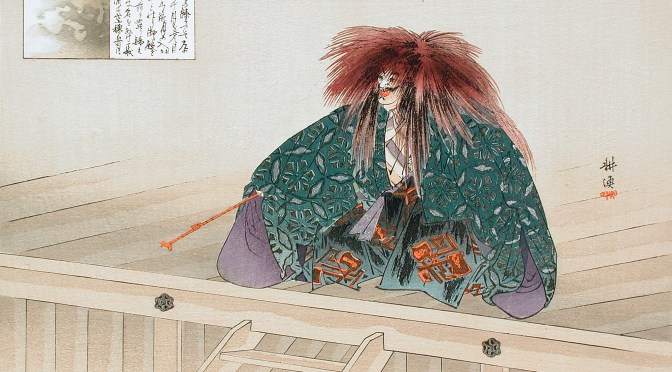
Written in November 2010 Wrote this for a course I took on Japanese theater in-depth analysis of Noh styles and construction using a specific, unique play.
With the Heart of a Human: An Analysis of the Nue as the Shite
Zeami’s works are characterized by a fine lyrical sensibility, and the Noh play Nue is no exception.What is unusual, however, is that it is spoken through the mouth of a demon, the nue monster that gives the play its name. By altering the perspective and narration of the original text found in the Tale of the Heike for his Noh play adaptation Nue, Zeami effectively sets the audience up to be sympathetic toward the nue creature and allows for its emotions to become the central focus of the play. This creates a very memorable character out of the nue, which despite being a demon exhibits a certain humanness, allowing the audience to connect and empathize with the nue. Continue reading PAPER: With the Heart of a Human→
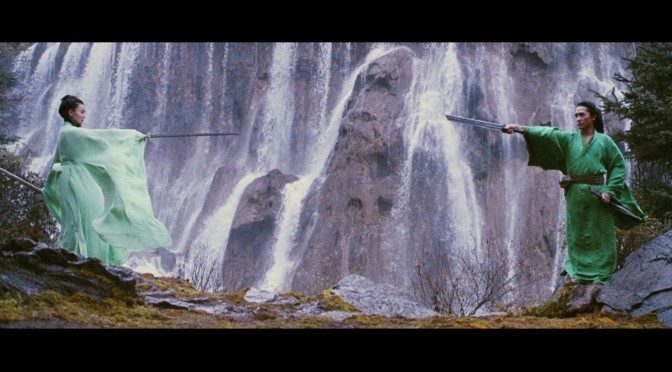
Written in May 2012 Wrote this as part of my independent study project on East Asian Cinema. WARNING: Possible spoilers for the films!
Clashing Swords: The War Between Nationalism and Commercialism in Zhang Yimou’s Wuxia Films
Wuxia, which roughly translates as “martial chivalry”, is a distinct genre in both Chinese literature and cinema. Typically, the heroes in Chinese wuxia fiction do not serve a lord or wield military power and are often from the lower social classes of ancient Chinese society. Usually they are bound by a code of chivalry that requires them to right wrongs, especially when the helpless or the poor are oppressed and are characterized by a flying fighting style. Along with international successes such as “Crouching Tiger, Hidden Dragon”, director Zhang Yimou’s contributions to the wuxia genre, namely “Hero” and “House of Flying Daggers”, have ignited a strong interest worldwide. Continue reading PAPER: Clashing Swords→
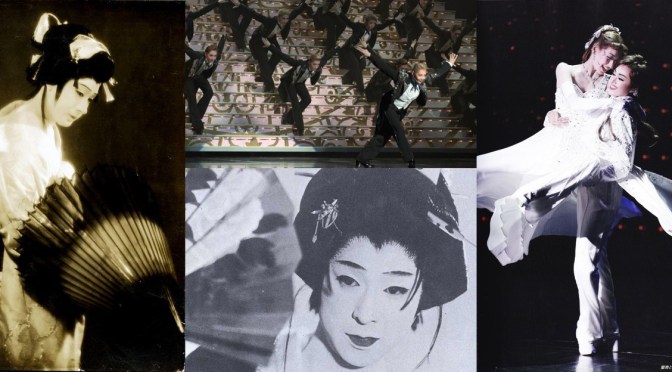
Written in May 2011 Wrote this after studying Kabuki and Takarazuka theaters and their unique acting roles, namely the onnagata and otokoyaku, and the interpretations of gender through their performances.
She’s the Man: Performing Gender in Kabuki and Takarazuka through Kata
Of all the theatre forms in the world, there are few as mystifying and fascinating as those found in Japan, especially the highly stylized Kabuki and Takarazuka. What is it about the Kabuki and Takarazuka aesthetics that attract their respective audiences? More than the music, the dancing, the romance, or the lavish spectacle, it is the male-role specializing otokoyaku in the all-female Takarazuka theatre and the female-role specializing onnagata in the all-male Kabuki theatre that draws spectators. Both of these actors demonstrate that gender is not connected to one’s sex, but is a performance. A performance which requires the learning of a highly stylized set of patterns known as kata, by which the onnagata in Kabuki and the otokoyaku in Takarazuka learn to exude femininity and masculinity respectively, as well as become more elegant, graceful, and attractive than a “real” woman or man ever could. This in turn affects the audience’s perception of gender for both male and female spectators and demonstrates the cultural difference between Japan and the West when defining “femininity” and “masculinity.” Continue reading PAPER: She’s the Man→
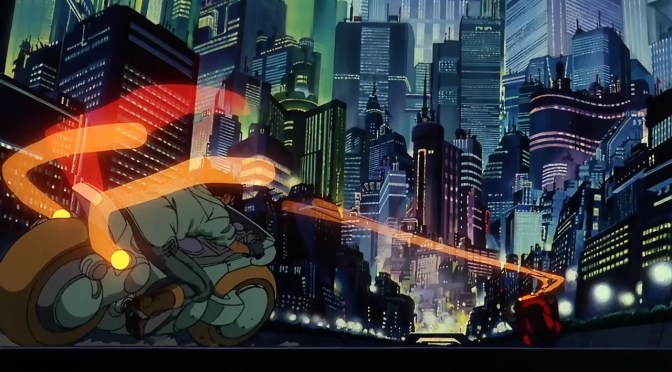
Written in February 2010 Wrote this while studying Otomo Katsuhiro's anime films in-depth. WARNING: Possible spoilers for the films!
From City to City: Otomo Katsuhiro and the Potential Desensitization of Humankind
Susan Napier has asserted that most anime titles contain three elements: the apocalyptic, matsuri (“festival”), and elegiac. Well-known Japanese director and screenwriter, Otomo Katsuhiro, who is most well known for his works Akira and Metropolis, incorporates all three elements into both of these films. However, he uses these elements, the apocalyptic element in particular, to express a common underlying thread throughout all of his works: the fear of desensitization that may lie in humankind’s future. Continue reading PAPER: From City to City→
Written in December 2009 Wrote this after viewing the wonderful film "The Twilight Samurai" (directed by Yamada Yoji). Initially wrote a short review but ended up wanting to write something more in-depth. WARNING: Possible spoilers for the film!
Twilight Samurai: Born a Samurai, Live a Father, Die a Samurai
The Conflict Between Duty and Family Within Iguchi Seibei
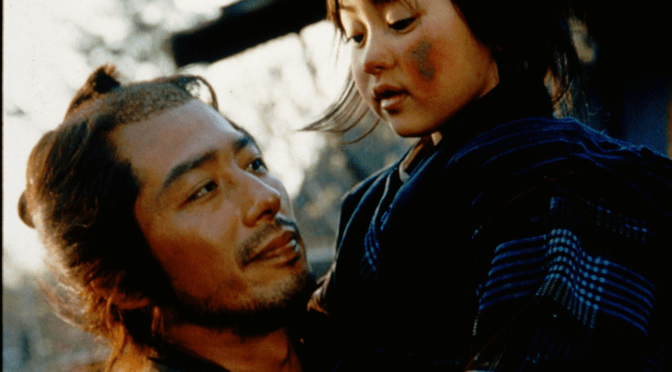
Even to the casual viewer, it is obvious that Twilight Samurai is different from many other samurai-themed films. A clear indication of this is the fact that there are only two duel scenes in the entire film. It instead concentrates on showing the main character’s everyday struggles. Director Yamada Yoji makes his intentions regarding Twilight Samurai particularly clear in an interview, where he draws a parallel between modern Japanese workers who have devoted or sacrificed their lives for the sake of the company and samurai of the Tokugawa period. He states, “Isn’t losing one’s life fighting for the domain or for your country totally meaningless? I wanted to depict a samurai who has another basis for life.” (Muranaka 7) This is his motivation behind constructing the character “Twilight” Seibei. He is unkempt, lacks ambition, and to his associates a mockery of the samurai ideal. And yet, Yamada depicts him as a man far nobler than any other, for Seibei indeed lives for another purpose: his family. And in so doing he shows that Seibei is in fact able to accomplish, contrary to the views of others, being both a good samurai and an excellent father. Continue reading PAPER: Twilight Samurai→
Written in November 2009 Wrote this after studying Japanese cinema and traditional theater. WARNING: Possible spoilers for the film!
Throne of Blood Unmasked: Shakespeare Transposed for Noh Theatre and Japan
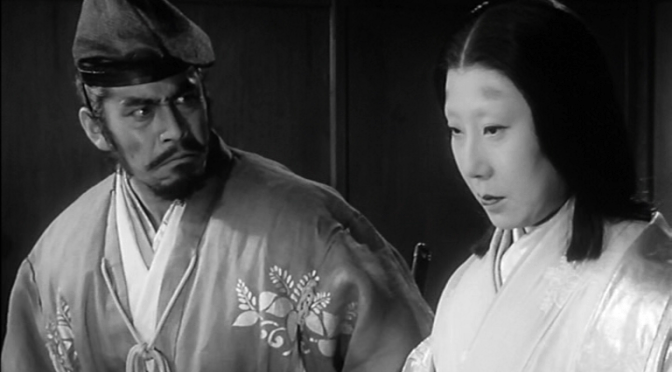
Critics commonly describe ThroneofBlood as Kurosawa Akira’s adaptation of Macbeth. While this description is certainly not untrue, it hardly begins to suggest the ways in which the film is so much more than a literary adaptation. When viewed objectively, the film resembles the Shakespearean theatrical play very little. Stripped of all of its dramatic dialogue and soliloquies, Kurosawa compresses Macbeth, and replaces its elegant words with sound, stylized movements, atmosphere, and imagery of the Noh theatre. By incorporating elements of the classical Noh theatre into Throne of Blood, Kurosawa transforms the Macbeth story into something undeniably Japanese and also cinematic.Continue reading PAPER: Throne of Blood Unmasked→

 Panda Samurai