PAPER: Borrowed Faces

Written in May 2015 Wrote this in order to explore casting issues related to representation of Asian/Asian-American characters (and actors) in both stage and cinema, with particular attention paid to the “whitewashing” trend that has become rather prevalent in film (as well as theater) and seems to have risen out of a desire to replace the deemed more offensive “yellowface”.

Borrowed Faces: The Effect of Whitewashing Asian Roles in Theatre and Cinema

We speak of actors and then of ethnic actors, as though they were of different kinds…If someone said, ‘I saw a terrific white play last night,’ it would sound ludicrous.  Why is it acceptable the other way around?  It is time to recognize all artists as individual artists first, apart from categories that only serve to limit our imaginations.

 – Harry Newman

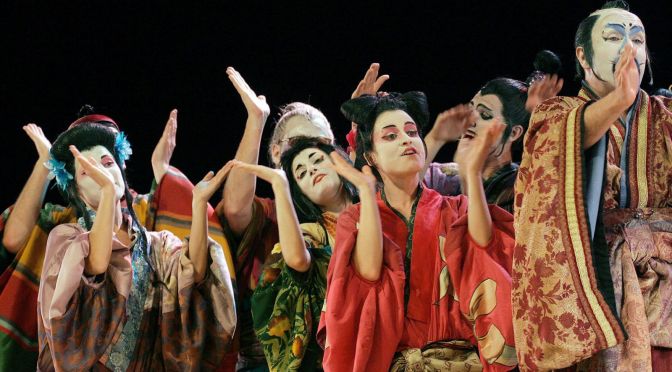
Though steps have been taken to move away from overtly racist practices such as “yellowface” on stage and in film, a visible lack of Asian or Asian-American representation continues to exist in both media.  When Asian or Asian-American actors are given roles, they usually maintain the same stereotypical ideology that has been dominant for decades.  But more often the presence of minority characters are “whitewashed” out of the cast entirely, a trend that has risen out of an apparent desire to replace the deemed more offensive “yellowface”.  Whether “whitewashing”, however, is indeed better and less offensive than “yellowface” is still questionable.  Although arguments in defense of “whitewashing” rationalize its existence and deny it being a discriminatory practice, it has the potential to be even more damaging than “yellowface” in terms of perpetuating stereotypical representation of Asian or Asian-Americans as well as depriving minority actors of valuable opportunity. Continue reading PAPER: Borrowed Faces
彼岸島 デラックス – Higanjima Deluxe (Live-Action Film)

I watched the serial TV drama series Higanjima during my stint in Japan 3 years ago, so I was pretty surprised to see that a continuation film is set for release October 15, complete with Shiraishi Shunya, Suzuki Ryohei, and others reprising their roles (along with some new faces).

Continue reading 彼岸島 デラックス – Higanjima Deluxe (Live-Action Film)

Summertime Dancing Obon in Japan

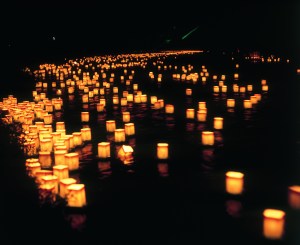
Obon, the Festival of Lanterns

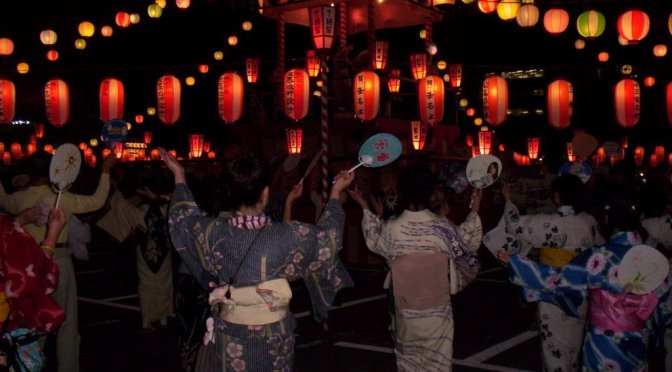
Every summer, people of all ages and religious backgrounds come together, often dressed in yukata, light cotton summer kimono, to celebrate being alive and honor those who have passed on, known as Obon.

The Obon festival, also popularly known as the “Festival of Lanterns”, is a 500-year-old tradition rooted in Japanese Buddhism belief that ancestral spirits return to their homes from the world of the dead during this particular time of year to be with their families.

Traditionally, families light lanterns to welcome and show their ancestors the way home as well as place offerings in the form of food, drinks, and flowers at their graves. l_1821271 The biggest attraction to Obon celebrations, however is the festive and family-friendly atmosphere filled with music, dance, food and good-natured fun. Usually set in the courtyards, lawns, or parking lots of Buddhist temples, families come together to savor some delicious food from the many stalls, play games, and immerse themselves in the lively rhythm of taiko drums. Continue reading Summertime Dancing Obon in Japan
PAPER: Living Wood and Still Bodies

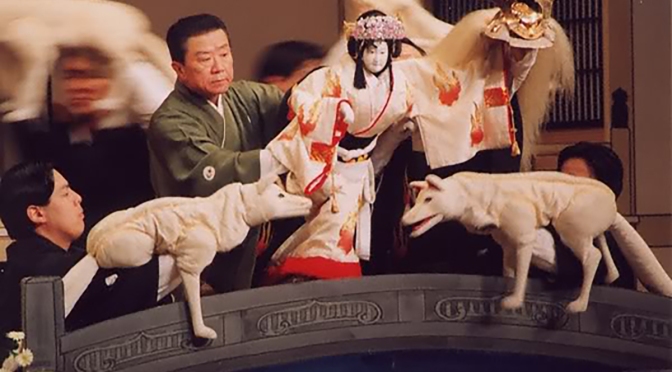
Written in December 2014 Wrote this after studying the Bunraku and Kabuki theaters, specifically the relationship of influence each theater form has (or had) on the other, from a historical, aesthetic, and performative context.

Living Wood and Still Bodies: Analyzing the Relationship Between Bunraku and Kabuki

When considering the variety of theatre the world has to offer, few have such spectacular a tradition or are as recognizable as the Kabuki and Bunraku theatres of Japan. While historically the two art forms were highly competitive with one another, scholars have argued for one art form being the more or less direct influence of the other for years. Upon studying the historical factors, visual aesthetics, and movement styles of both forms, however, it becomes apparent that discussion of this topic cannot be as clear cut and dry as some of these scholars make it out to be. Continue reading PAPER: Living Wood and Still Bodies

Obligatory Life Update…

Life as a graduate student, graduate assistant, and teaching assistant is grueling and not glamorous.

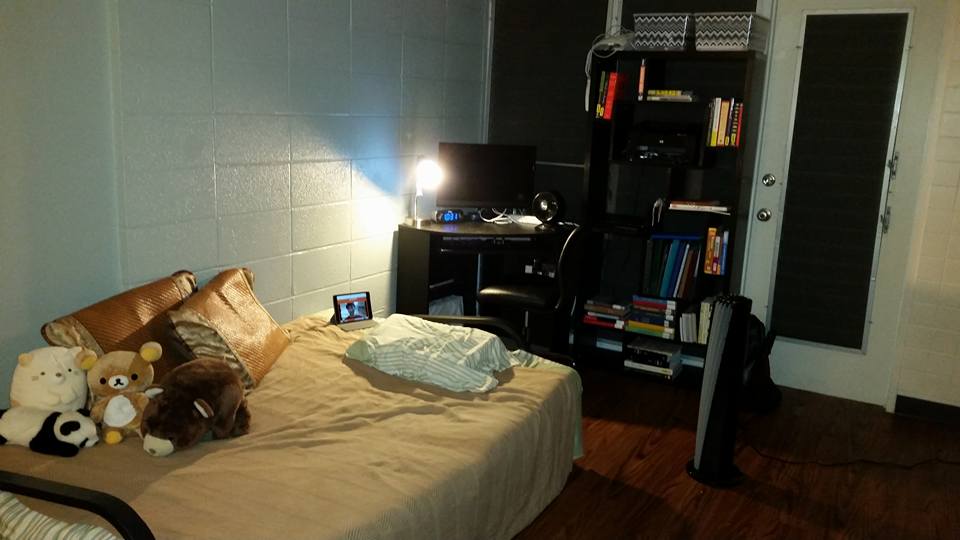
I have successfully moved into my studio apartment. It’s nice, spacious, newly renovated and on the top floor of a four-story building with no elevator so you can imagine how much trouble my former roommate and I had getting my furniture up there.

11887987_10153676399856614_6797636383548490722_nIt gets pretty lonely in my apartment, but honestly I pretty much use the space to crash/pass out, so I’m hardly there these days.

I’m behind on my hours as a GA constantly, largely because one member of the faculty doesn’t really need me yet, and my hours as a TA don’t count. Overall though I think they are happy with how I’m doing… I hope. Most of my work is just running errands like copies, etc. I will start cataloging and digitizing video materials soon, but I’m hoping my work will expand to some research work… Continue reading Obligatory Life Update…

My Panel Schedule with Guidebook Descriptions for Otakon 2015

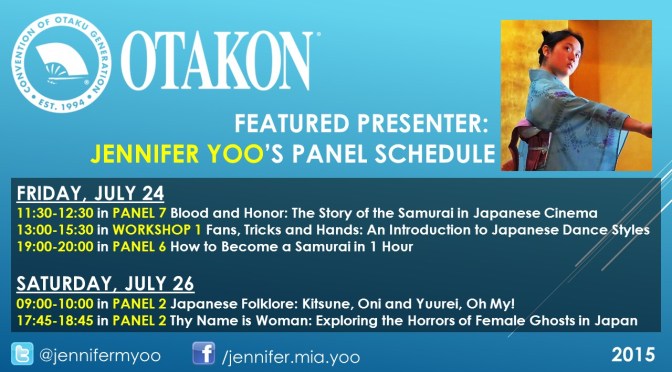
Otakon 2015 is less than a week away. The schedule is online, so is the Guidebook application version.

This year I will be presenting 4 panels and 1 workshop, and I have included the schedule and descriptions below. Hope to see some people there!

FRIDAY, JULY 24

11:30-12:30 in PANEL 7 Blood and Honor: The Story of the Samurai in Japanese Cinema

From Kurosawa Akira to Yamada Yoji, Japanese directors have been telling the story of the samurai for decades. From the classics to the latest groundbreaking films and trends in cinema, find out all you need to know about this truly unique and essential genre of Japanese film!

13:00-15:30 in WORKSHOP 1 Fans, Tricks and Hands: An Introduction to Japanese Dance Styles

From the true dance style of the geisha to the lively dances of Japan’s most popular festivals, come for a one-of-a-kind opportunity to see demonstrations of various Japanese dances and learn a variety of techniques, including fan tricks as well as how to perform AT LEAST ONE entire festival dance. All ages and genders welcome! Though not required, wearing of kimono, yukata, happi coat. etc. and bringing your own Japanese fan is highly encouraged.

19:00-20:00 in PANEL 6 How to Become a Samurai in 1 Hour

Samurai – “One who serves.” Thanks to movies like the Last Samurai and anime like Rurouni Kenshin, almost everyone knows a little about these warriors. But what about the true samurai? Back by popular demand as well as new and improved! Come learn the code of Bushido and how to think, live, and even die like a samurai.

SATURDAY, JULY 26

09:00-10:00 in PANEL 2 Japanese Folklore: Kitsune, Oni and Yuurei, Oh My!

Ever wondered what a tanuki really is or what the difference is between a youkai and a yuurei? Find out the answers here! Join us as we explore Japanese folklore and superstitions.

17:45-18:45 in PANEL 2 Thy Name is Woman: Exploring the Horrors of Female Ghosts in Japan

No Japanese horror film is complete without its haunting woman spectre like Sadako from Ringu (The Ring) or Kayako from Ju-On (The Grudge). To the Japanese, however, these ghosts represent far more than just a means to frighten audiences and there is a reason behind every action and trait. Join us and learn them all! Find out the significance of Sadako being thrown down a well, why the female ghosts’ hair is always left unbound, and why the Japanese cannot let go of their dead.

Personal Website and Blog of Jennifer M. Yoo