Written in May 2012 Wrote this as part of my independent study project on East Asian Cinema. WARNING: Possible spoilers for the films!
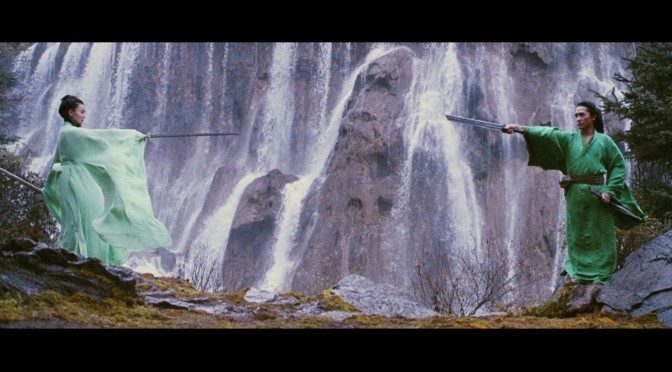
Clashing Swords: The War Between Nationalism and Commercialism in Zhang Yimou’s Wuxia Films
Wuxia, which roughly translates as “martial chivalry”, is a distinct genre in both Chinese literature and cinema. Typically, the heroes in Chinese wuxia fiction do not serve a lord or wield military power and are often from the lower social classes of ancient Chinese society. Usually they are bound by a code of chivalry that requires them to right wrongs, especially when the helpless or the poor are oppressed and are characterized by a flying fighting style. Along with international successes such as “Crouching Tiger, Hidden Dragon”, director Zhang Yimou’s contributions to the wuxia genre, namely “Hero” and “House of Flying Daggers”, have ignited a strong interest worldwide. Continue reading PAPER: Clashing Swords→
Written in May 2011 Wrote this after studying Kabuki and Takarazuka theaters and their unique acting roles, namely the onnagata and otokoyaku, and the interpretations of gender through their performances.
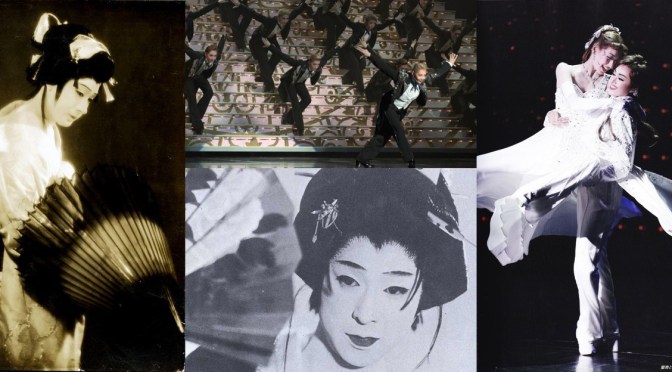
She’s the Man: Performing Gender in Kabuki and Takarazuka through Kata
Of all the theatre forms in the world, there are few as mystifying and fascinating as those found in Japan, especially the highly stylized Kabuki and Takarazuka. What is it about the Kabuki and Takarazuka aesthetics that attract their respective audiences? More than the music, the dancing, the romance, or the lavish spectacle, it is the male-role specializing otokoyaku in the all-female Takarazuka theatre and the female-role specializing onnagata in the all-male Kabuki theatre that draws spectators. Both of these actors demonstrate that gender is not connected to one’s sex, but is a performance. A performance which requires the learning of a highly stylized set of patterns known as kata, by which the onnagata in Kabuki and the otokoyaku in Takarazuka learn to exude femininity and masculinity respectively, as well as become more elegant, graceful, and attractive than a “real” woman or man ever could. This in turn affects the audience’s perception of gender for both male and female spectators and demonstrates the cultural difference between Japan and the West when defining “femininity” and “masculinity.” Continue reading PAPER: She’s the Man→

 Panda Samurai