A crucial part of Japanese cooking, dashi is a key stock used as the base for a variety of dishes.
Although it is possible to buy dashi stock as is, it can sometimes be expensive and given how frequently it is used in Japanese cuisine, it’s much more cost efficient to make yourself – especially since it’s so easy, just a little time consuming.
Here is the basic recipe for all of your Japanese cooking needs!
How to Make Dashi
Ingredients
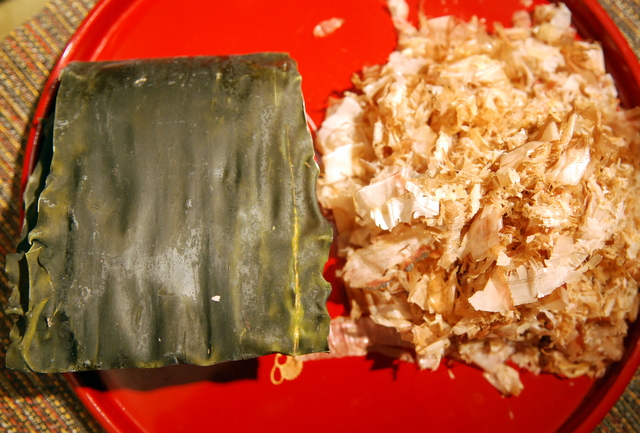
Konbu (Dried Kelp)
Katsuoboshi (Bonito flakes)
Konbu (Left) and Katsuoboshi (Right)
Directions
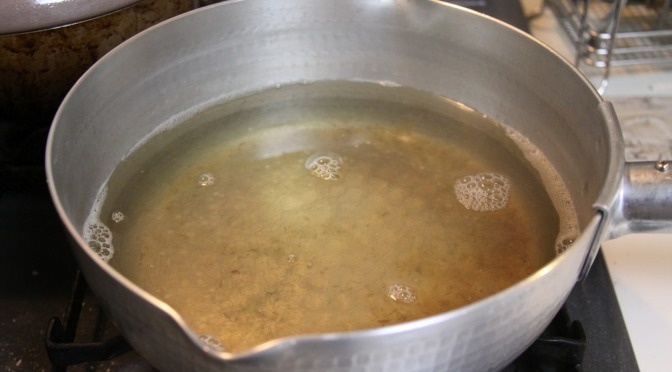
Heat up a large pot of water and add konbu that has been wiped with a damp towel. The amount of konbu to water is entirely up to you, but in my experience one piece of konbu tends to go a long way. Keep heat at medium and cook for 1 hour, scooping out any foam that forms.
After 1 hour, remove konbu and add katsuoboshi. Again, the amount of katsuoboshi to water is up to you. Cook for an additional 2-3 minutes. DON’T THROW AWAY THE KONBU! If stored well, it can be used again to make more dashi (though after that you should probably use new konbu).
Turn off heat and strain the katsuoboshi out of the dashi stock using a tightly knit cloth (standard sieve won’t work). DO NOT SQUEEZE THE KATSUOBOSHI! Let the liquid drain out naturally.
Written in February 2010 Wrote this while studying Otomo Katsuhiro's anime films in-depth. WARNING: Possible spoilers for the films!
From City to City: Otomo Katsuhiro and the Potential Desensitization of Humankind
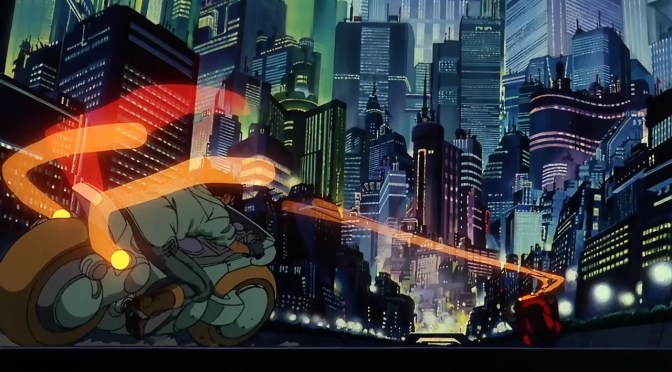
Susan Napier has asserted that most anime titles contain three elements: the apocalyptic, matsuri (“festival”), and elegiac. Well-known Japanese director and screenwriter, Otomo Katsuhiro, who is most well known for his works Akira and Metropolis, incorporates all three elements into both of these films. However, he uses these elements, the apocalyptic element in particular, to express a common underlying thread throughout all of his works: the fear of desensitization that may lie in humankind’s future. Continue reading PAPER: From City to City→
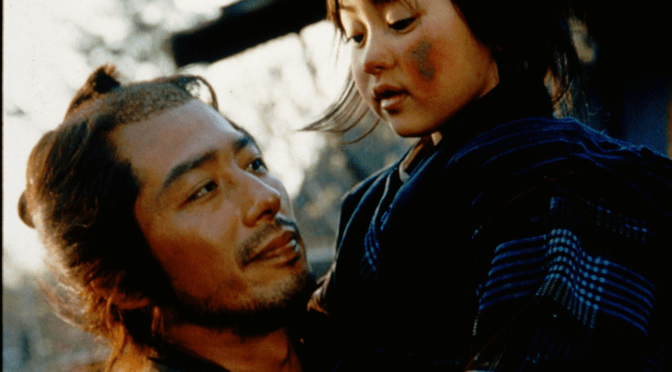
Written in December 2009 Wrote this after viewing the wonderful film "The Twilight Samurai" (directed by Yamada Yoji). Initially wrote a short review but ended up wanting to write something more in-depth. WARNING: Possible spoilers for the film!
Twilight Samurai: Born a Samurai, Live a Father, Die a Samurai
The Conflict Between Duty and Family Within Iguchi Seibei
Even to the casual viewer, it is obvious that Twilight Samurai is different from many other samurai-themed films. A clear indication of this is the fact that there are only two duel scenes in the entire film. It instead concentrates on showing the main character’s everyday struggles. Director Yamada Yoji makes his intentions regarding Twilight Samurai particularly clear in an interview, where he draws a parallel between modern Japanese workers who have devoted or sacrificed their lives for the sake of the company and samurai of the Tokugawa period. He states, “Isn’t losing one’s life fighting for the domain or for your country totally meaningless? I wanted to depict a samurai who has another basis for life.” (Muranaka 7) This is his motivation behind constructing the character “Twilight” Seibei. He is unkempt, lacks ambition, and to his associates a mockery of the samurai ideal. And yet, Yamada depicts him as a man far nobler than any other, for Seibei indeed lives for another purpose: his family. And in so doing he shows that Seibei is in fact able to accomplish, contrary to the views of others, being both a good samurai and an excellent father. Continue reading PAPER: Twilight Samurai→
Written in November 2009 Wrote this after studying Japanese cinema and traditional theater. WARNING: Possible spoilers for the film!
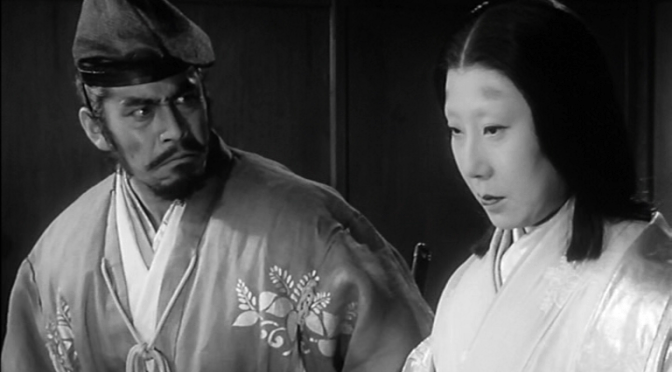
Throne of Blood Unmasked: Shakespeare Transposed for Noh Theatre and Japan
Critics commonly describe ThroneofBlood as Kurosawa Akira’s adaptation of Macbeth. While this description is certainly not untrue, it hardly begins to suggest the ways in which the film is so much more than a literary adaptation. When viewed objectively, the film resembles the Shakespearean theatrical play very little. Stripped of all of its dramatic dialogue and soliloquies, Kurosawa compresses Macbeth, and replaces its elegant words with sound, stylized movements, atmosphere, and imagery of the Noh theatre. By incorporating elements of the classical Noh theatre into Throne of Blood, Kurosawa transforms the Macbeth story into something undeniably Japanese and also cinematic.Continue reading PAPER: Throne of Blood Unmasked→

 Panda Samurai