
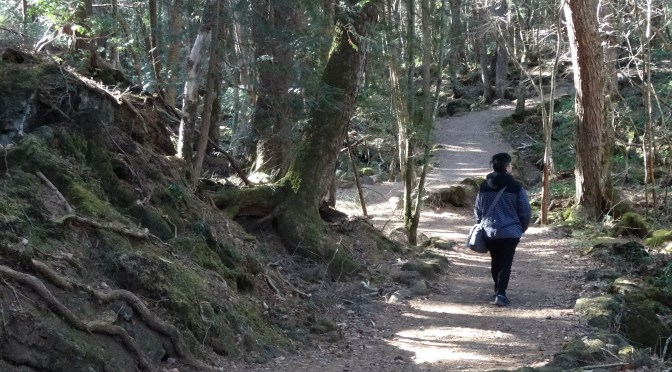
It’s hard in this world and society we live in to not think about getting old like it’s a bad thing.

This month marks not only the two-month milestone in my field research year, but also the beginning of my last year I am able to call myself a “twenty-something.”

It shouldn’t be that big of a deal, but it has gotten me thinking how I’ve reached a stage in my life where I probably can’t “get away with” certain things anymore. Certain mistakes that were washed off my slate because I was “still young” and naïve or immature. This isn’t to say that I believe I can no longer afford to make mistakes (because they can, and will most definitely happen). More like I at least shouldn’t be making the same ones as when I was a college student, etc.

It’s hard in this world and society we live in to not think about getting old like it’s a bad thing. To feel that if you don’t do x or y or z by the time you’re 25 or 30 or 50 you’re behind everyone else. It’s near impossible not to think about it. That you might be running out of time to be what you are to be. To “make something of yourself,” if you will, or at least leave a footprint behind in something more substantial than sand or snow.

I remember planning my future, marking the stages in years and age. I still do, sometimes. Maybe that’s why I have times when I feel so low. Having no standard way to measure my progress here makes it difficult to stay confident and certain. “Is this where I should be at this point? Am I even doing this right?” Then comes the ominous pressure and doubt; the empty pit in the stomach sensation when I consider whether I am actually even capable of writing such a massive project even after all this research is said and done.

It’s at times like these when I think about quitting, or wish there was a way to press the reset button and start everything over. But in the end I keep going. I’m still walking. One step at a time.
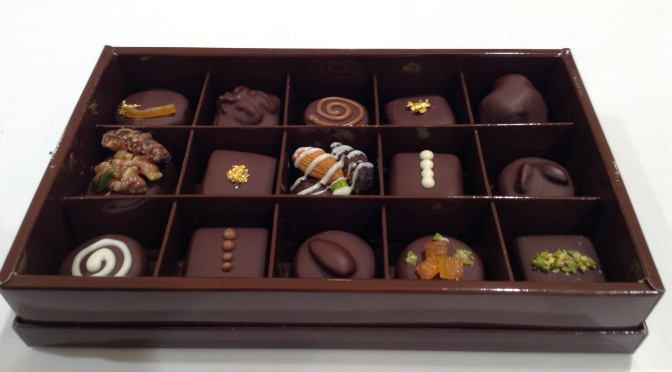
Will You Be Mine? Making Chocolate for Valentine’s Day.

Russell Stover. Godiva. Lindt. It’s hard to beat standards like a box of chocolates as a gift for Valentine’s Day. Even today more than one billion dollars are spent on chocolates for this romantic holiday in the United States alone. In Japan,  it is a tradition for women to give chocolate to men on Valentine’s Day. There are generally two (now three) types of chocolate given: giri-choco (義理チョコ), or “obligatory chocolate,” honmei-choco (本命チョコ), or “true feelings chocolate,” and now recently tomo-choco (友チョコ), or “friendship chocolate.”

While the meaning behind honmei-choco and tomo-choco are pretty self-explanatory, the practice of giri-choco has become an increasingly contentious issue. In some workplaces, giri-choco has even been banned as it compels women to gift chocolate to men and puts them under unnecessary stress; many women have shared that they have often pulled all-nighters on the eve of Valentine’s Day to make enough for all of the men they had to give chocolate to. There have even been cases where the practice has been discouraged as many men have expressed that they do not even want chocolate, especially as it is widely expected for such gifts to be reciprocated a month later on White Day, when it is tradition for men to present gifts to women. As a result, more and more often women have purchased inexpensive candy bars as giri-choco rather than pricey brand-name gifts, fewer still make them by hand. In the case of honmei-choco (and sometimes even tomo-choco), however, many women make these chocolates themselves as it is commonly held that one’s feelings are not true if they are in the form of ready-made, store-bought chocolate.

Why not make a sweet gift like no other yourself this year? By following these simple tips, you can not only tailor your selection of chocolates to your intended’s tastes, but you can also leave an impression that he or she will not forget for quite some time!

Continue reading Will You Be Mine? Making Chocolate for Valentine’s Day.